Exhibit 01 · The story
One designer. One task. 490 hours a year.
Before Datum was a cohort, it was a method — built because one number on KBF's floor was too loud to ignore.
“Our lead designer was spending 7 hours per job writing scopes, estimates, and proposals — before a single design decision had been made.”
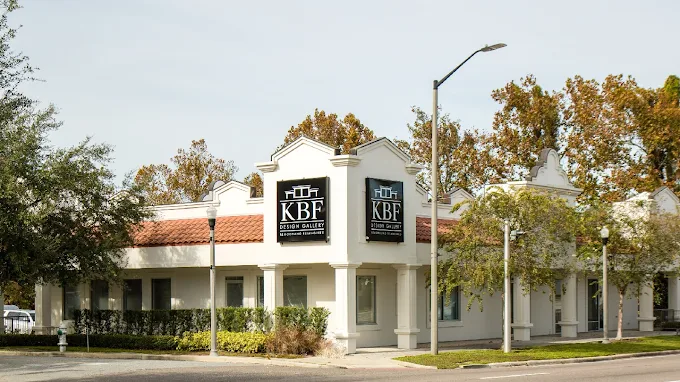
Adam Vellequette · founder, Datum · runs KBF Design Gallery
She wrote scopes by hand. Every project. Seven hours each.1 Last year KBF ran 70 projects,7 so that one repeatable task consumed 490 hours of her year.2 At her fully-loaded rate of $85 an hour, it cost $41,500 — one task, one person, one year.3
Datum built a purpose-built app in one week around that task. It turns a short project conversation — about 20 minutes — into scopes, pricing, proposals, storyboards, and selections. Not a chat window: a controlled workflow with clear inputs, clear outputs, and a review step a person owns.
Draft — ready for human review
That label ships on every artifact the workflow produces. The AI drafts; a person signs every line before a client sees one. The review step isn't a caveat — it's the workflow, and it's the first thing Datum teaches.
The same scope now takes about 30 minutes.1 The 490 hours went back into actual design work — 23% of her working year, reclaimed.4 Revenue capacity rose over 20% with no new hires.5
The context matters: while these workflows went in, KBF grew from $5.2M in revenue in 2021 to $13.8M in 2025.6 The scope engine wasn't a demo built for a sales page — it runs on a real floor, against real scopes, schedules, selections, and field conditions. Every method Datum teaches ran here first.
Every business has a task like this hiding in plain sight. Datum's work — the cohort, the community, the 1-on-1 paths — is helping you find yours and turn it into a controlled workflow with review where it belongs.
See the design-build work itself at kbfdesigngallery.com →